20 Best Facts For Choosing Floor Installation
Wiki Article
Best Flooring Options To Suit Philadelphia's Climate And Humidity
Philadelphia isn't discussed enough as a tough setting for flooring. It's located in an area where there are real winters dry and cold air that shrinks wood -- and actually humid summers that push moisture into everything. Then, add the fact that a large proportion of the house flooring is old, with inconsistent climate control across each room, and then you're faced with circumstances that highlight the flaws of any flooring material that's not optimally suited to the surrounding. What's working in Phoenix or Seattle doesn't automatically translate here. This guide provides a breakdown of how each major flooring type actually performs in Philadelphia homes across all four seasons.
1. Solid Hardwood requires respect for the Climate
Solid hardwood is not a durable option in Philadelphia. It performs beautifully when installed properly, acclimated correctly, and kept in a house with a constant humidity -- ideally between 35 and 55 percent throughout the year. If those conditions aren't fulfilled it can cause gapping throughout winter and an occasional cupping summer. Older rowhomes without central air or consistent heating distribution are the most hazardous areas for solid hardwood. This doesn't mean that it's a wrong choice, but it means that proper installation and continual managing humidity non-negotiable.
2. Engineered Hardwood Was Practically Designed for This Climate
The cross-ply construction that is layered in engineered wood resists the expansion and contraction that causes solid wood to shift over time. It's a genuine hardwood as a surface- real grain, real character, and refinishable based on layers of wear -- with significantly more dimensional stability beneath. For Philadelphia houses, especially those in Bucks County and Montgomery County in which older structures encounter unpredictable basement moisture, engineered hardwood has a sweet spot that solid wood can't compete with in different conditions.
3. LVP Is the Most Climate-Tolerant Option Available
Luxury vinyl plank doesn't soak up moisture, doesn't contract in dry winter air, or care whether your HVAC is on continuously or not. For Philadelphia homeowners living in basements, below-grade areas, or rooms with a dramatic swing between seasons, LVP are the floors with the ability to keep running. Flooring that is waterproof has become one the most requested services from flooring companies across Delaware County and South Jersey since homeowners have learned this knowledge, often following having a water-related issue with a distinct product.
4. Laminate Is the Climate Weak The Link to the Future
Laminate flooring looks like LVP on paper, however it behaves different in humid conditions. It is made of wood fiber that swells up when wet, and then absorbs moisture. around the edges, and once damage is started, it isn't able to reverse. If you live in a climate-controlled and dry Philadelphia house, it's capable of performing properly for years. In a kitchen that is a rowhome, basements, or any room that has high humidity levels, it can pose a risk. Installation quotes for flooring that are cheap typically involve laminate in spaces where LVP is the best option to invest.
5. Porcelain Tile is invulnerable to Philadelphia's Humidity
For pure water resistance ceramic tile is the highest-quality option. It doesn't expand, doesn't shrink, doesn't absorb water, and will outlast every other flooring option in humid, wet or humid environments. It's sub-zero in winter, extremely hard on joints, as well as grout requires care. Tiles made of porcelain in Philadelphia kitchens and bathrooms remains popular due to a good reasonIt's the perfect equipment for these rooms in this climate.
6. Ceramic Tile Works but Has Limits on Porosity
Ceramic tile is a step below porcelain in terms of density and resistance, but is above any other flooring made of wood alternative for wet environments. Tiles for bathrooms and kitchen flooring in Philadelphia homes, it is an excellent choice, especially when budget is a major factor because ceramic is typically priced lower than the cost of porcelain per square foot. The most important distinction is that ceramic shouldn't be utilized for areas that might be exposed to freezing or standing water and exterior applications are where porcelain is clearly the better choice.
7. Wide Plank Hardwood Needs Extra Humidity Management
This is a point many homeowners fail to realize until it's too late. Wider planks in hardwood up to five inches above are more agitated depending on humidity as compared to narrow strips of flooring. The climate in Philadelphia is seasonal. broad plank solid wood in a house with inadequate humidity control may show visible gaps in winter, which close after summer. Flooring contractors who deal on a regular basis with wide plank flooring are likely to bring up this topic in advance. Those who don't may be set for the worst winter ever with your brand new floors.
8. Subfloor Moisture Is a Separate Problem from Ambient Humidity
These are two distinct problems which require different approaches. The humidity of the home affects how wood flooring expands and contracts seasonally. Subfloor moisture -- vapor emissions from concrete slabs, moisture flowing through the older subfloors of boards or inadequate ventilation for the crawlspace -- pose a significant risk to adhesive bonds and floating flooring stability. A thorough inspection of the subfloor prior installing flooring at Philadelphia, Bucks County, or Delaware County homes should include dryness readings, not simply a visual inspection.
9. Tempo of Acclimation Is Not Required in This Region
Hardwood flooring must adjust to the exact climate and temperature of your home prior installation generally, 3 to 7 days of being in the space. In Philadelphia, skipping or rushing this step will mean you end up with floors that move in a significant manner after installation, because the wood isn't adjusted to the exact conditions of your residence. Certified flooring installers incorporate acclimation time into their project timelines. Contractors who arrive to begin putting in the flooring on the date the flooring arrives cutting a corner that will eventually show.
10. The best climate choice is Always Site-Specific
In a Montgomery County home with a fully-finished basement, central heating as well as consistent humidity control is a fundamentally distinct environment from an Philadelphia rowhome that has radiator heating without air conditioning with a damp cellar beneath. Flooring that performs perfectly for one may not work in the other. The flooring contractors to consider hiring in this region don't recommend material from a catalogueThey study the environment of your home and match the product to the environment that flooring will remain in for the future twenty years. Take a look at the recommended
LVP flooring Philadelphia PA for blog info including vinyl plank flooring Philadelphia PA, LVP flooring Philadelphia PA, hardwood flooring Montgomery County, affordable flooring installation Philadelphia, waterproof flooring installation Philadelphia, hardwood flooring Montgomery County, luxury vinyl plank installation Philadelphia, glue down hardwood flooring Philadelphia, hardwood floor refinishing cost Philadelphia, flooring installation cost Philadelphia and more.
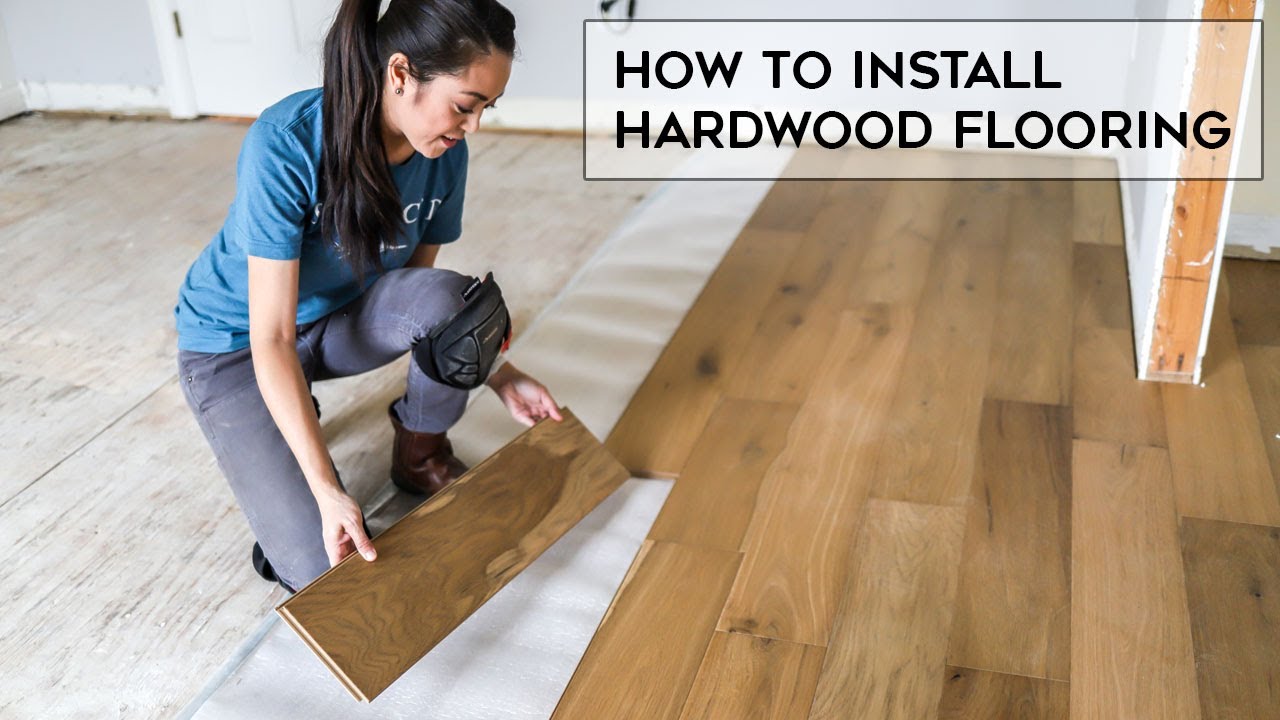
Hardwood Refinishing Vs. Replacement: What's The Difference?
The floors of hardwood in Philadelphia homes bear a rich history within them: original wood strip flooring from the form of a Germantown twin wide planks of pine in the Chestnut Hill colonial-style home, as well as decades-old hardwood flooring in the Delaware County ranch that's seen three families. When flooring starts to appear rough, the initial thought is frequently replacing them. However, replacement isn't always proper choice. Refinishing isn't always the cheaper option even though it seems like it is at first glance. The choice between sanding or Refinishing hardwood instead of pulling away and beginning fresh depends on a number of variables that only appear clear after someone who is aware of what's on the table actually looks at the floor. Here's how to consider it before taking either option.
1. The Floor Thickness is the first What Determines Your Options
Solid hardwood can be sanded finished multiple times throughout its lifespan -- but not indefinitely. Each time you refinish, you remove a thin layer of wood and when the floor has been removed, close to the tongue-and-groove system that holds it this, it's impossible to sand again safely. The average solid hardwood thickness is 3/4 inch thick and has approximately 1/4 inch over the tongue to allow sanding. A flooring professional can gauge remaining thickness with an instrument placed in a hidden location -- the reading in addition to other factors, determines the status of refinishing being considered.
2. Engineered Hardwood It has a narrower, more refined refinishing Window
Engineered hardwood installation has risen exponentially across Philadelphia, Bucks County, and Montgomery County homes over the recent two decades. Moreover, many homeowners are unaware that the flooring is engineered until the need to refinish comes up. It is true that the wood veneer on engineered hardwood is more thin than solid - anywhere between 1mm-6mm, depending on the kind of product which restricts the number of times one can finish sanding. Thin-veneer engineered timber may be able to only handle a single careful finishing pass or not at all. Knowing the type of wood you have before you decide to refinish it is best a wasted estimate visit.
3. Refinishing can be significantly cheaper than Replacement in the majority of cases.
Floor sanding and refinishing in Philadelphia typically ranges from $3 to 6 dollars per sq ft. Flooring replacement for hardwood in full -removal of flooring, evaluation of subfloors new flooring, and installation -- can cost from $10 to $20 per square foot or more depending on species and the method. for a 500 square feet surface, that's about the same as the $1,500-$3,300 job and a $5,000-$10,000 one. If the existing floor has sufficient thickness and there are no structural issues, refinishing will provide the most visual impact of new floors at less than half the price.
4. Surface Damage on its Own Is Always a reason not to replace
Scratches, scuffs small stainings, the discoloration of surfaces is exactly what floor sanding and refinishing is designed to address. They appear more ugly than they actually. An effective sanding process removes the damaged surface layer completely and takes the floor back to wood bare, this point custom stainings and finishing completely restores its appearance. Philadelphia homeowners who decide to replace floors because of surface damage could have easily refinished are taking a risk by deciding in aesthetics rather that structural real.
5. Structural Damage Modifies the Calculation Completely
Warping, cupping, or significant water damage that's penetrated beneath the surface and rot has occurred at the board at the floor level and flooring with significant loose or missing sections are not the same as scratch marks on the surface. Refinishing is a solution to surface issueshowever it cannot fix an area that has moved through the structure due to moisture and it is not able to repair an entire floor when the subfloor beneath has failed. When structural damage is present The honest opinion of an experienced flooring contractor could be that replacing the floor could be the only choice to flooring that can function in a way that isn't just looking better temporarily.
6. Previous Refinishing History Affects the Decision Currently Made
A floor made of hardwood that has had to be refinished three or more times during its time may have small amounts of material remaining over the tongue, irrespective of how thick it was at the beginning. In contrast, the original hardwood of the interior of a Philadelphia home that's not been cleaned -- which is far more frequent than what people would expect in older properties -- may be of substantial thickness even if it appears rough. The look of the floor isn't an indicator of its future refinishing capabilities. The physical measurement, and in some instances, pulling a floor vent to check a cross-section are what a professional uses to determine what's left.
7. Custom Staining at Refinishing Time Can change the character of a floor
One of refinishing's underappreciated advantages is the possibility of changing the floor's color entirely. Custom staining hardwood in Philadelphia is part of the finishing process. When the floor has been sanded back to its original wood, a stain must be applied before the finishing coats are lowered. Homeowners who have lived with the orange-toned hardwood of the 1990s for several years are usually surprised by the discovery that those very same boards are now a cool gray or a deep walnut or a warm natural, depending upon the species and type of stain. No replacement is required to transform the look dramatically.
8. Affixing new Hardwood to floors that are already in place is Harder Than It Sound
One instance that could push homeowners to full replacement is when just a part of a floor is in need of repair -- for example, a section damaged by water or expansion, or an area that was carpeted previously. Installing new hardwood to match existing wood flooring in the interior of the home is an extremely challenging task. The wood species, the cut lines, grain patterns, and years of patina do not replicate exactly with new materials. Flooring contractors in Delaware County and South Jersey who are honest about this will tell you that a total revalorization of the entire flooring surface after patching generally the best way to achieve aesthetic consistency.
9. Replacement Opens the Door to upgrading the material totally
Sometimes the right answer is to change the flooring, not since refinishing would be impossible, but rather because the floor doesn't have the value of preserving. It is easy to scratch with low-grade softwood flooring, floors with extensive subfloor problems that need to be fixed in the first place, or houses where the layout has changed and the previous flooring is no longer practical in these situations when replacement is a viable upgrade. Moving from worn softwood to white oak hardwood, or switching from damaged solid hardwood to engineered more suited to your home's water conditions, is different option than replacing a flooring that can be refinished without need.
10. Get the Assessment Before You Choose, Not After You've Chosen
The refinish instead of. replace decision must be taken after a professional has looked at the floor, not before. Most reputable flooring contractors in Philadelphia offer no-cost estimates which include this kind of assessment: measuring the thickness of floors, identifying of structural as opposed to. surface damages, evaluation of moisture, and a concise description of the process requires in terms along with the timeline and end result. The homeowners who phone to get a quote for replacements are often talking themselves out of refinishing options they haven't fully explored. The test is free. The replacement, if it does not prove to be necessary and unnecessary, isn't. Have a look at the best Follow the most popular LVP flooring Philadelphia PA for blog recommendations including hardwood floor installation Philadelphia, waterproof flooring installation Philadelphia, hardwood floor installation Philadelphia, floor sanding and refinishing Philadelphia, waterproof flooring installation Philadelphia, flooring estimate Philadelphia, hardwood flooring Philadelphia, best flooring contractors Philadelphia, flooring installation near me Philadelphia, hardwood floor resurfacing Philadelphia and more.
/new-floor-installation-185270632-582b722c3df78c6f6af0a8ab.jpg)